

2026 Coconut Charcoal Briquettes Market: Trends, Pricing Factors, and How to Secure Reliable Supply
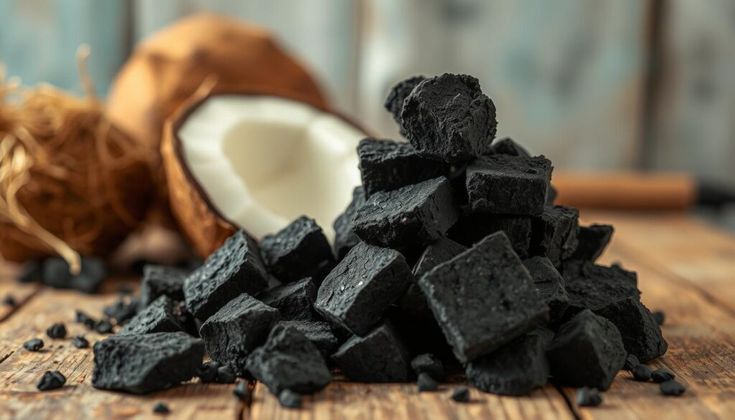
The global coconut shell charcoal briquettes market in 2026 continues to expand steadily, fueled by rising sustainability awareness, stricter performance expectations in premium shisha markets, and the growing popularity of BBQ culture across Europe, the Middle East, and North America.
For importers, distributors, and private label brands, the key challenge is no longer demand availability, but how to secure a consistent, high-quality supply chain in a market that increasingly prioritizes performance and reliability.
Indonesia maintains its position as the world’s leading exporter of coconut charcoal briquettes, supported by abundant coconut resources, experienced manufacturing capabilities, and export-focused production systems designed for scalability and consistency.
Key Coconut Charcoal Market Trends in 2026
1. Sustainability Becomes a Standard Requirement
Environmental regulations, particularly in the European Union, along with ESG-driven sourcing policies, are pushing buyers toward renewable and eco-friendly fuel alternatives.
Coconut shell charcoal offers several inherent advantages:
- Made from agricultural waste materials
- No contribution to deforestation
- Lower environmental impact compared to traditional wood charcoal
For distributors targeting environmentally conscious markets, sustainability is no longer optional—it is a key differentiator.
2. Rising Performance Expectations in the Middle East
The UAE and Saudi Arabia remain dominant markets for shisha charcoal, where premium lounges demand increasingly strict specifications, including:
- Ash content below 2%
- Consistent burn time of 90–120 minutes or longer
- Minimal smoke and odor
- High fixed carbon levels
These requirements push manufacturers to enhance carbonization processes, maintain density consistency, and implement stricter quality control at the batch level.
In such performance-driven markets, inconsistency translates directly into financial loss.
3. Supply Chain Reliability Over Price Competition
Buyers have shifted their focus from short-term cost savings to long-term supply stability.
Common concerns among importers include:
- Variations in burn duration between shipments
- High levels of breakage during transportation
- Inconsistent briquette density
- Delays in production timelines
In 2026, reliability and consistency outweigh the appeal of lower pricing.
Why Indonesia Leads the Global Market
Indonesia is widely recognized as the largest producer of coconut shell charcoal briquettes, supported by several structural advantages:
- One of the world’s largest coconut-producing nations
- Wide distribution of raw materials across multiple islands
- Skilled labor with specialized experience in briquette production
- Established export networks to major global markets
These factors enable Indonesian manufacturers to offer competitive pricing while maintaining scalable production and consistent product quality.
Key Pricing Factors in 2026
Understanding pricing dynamics allows buyers to negotiate better and manage margins effectively.
- Weather Conditions & Drying Cycles
Prolonged rainy seasons can delay natural drying of coconut shells, slowing down production. - Freight & Container Costs
Fluctuating shipping rates significantly influence CIF pricing, especially for distant markets. - Demand for Coconut-Based Products
Increasing global demand for coconut derivatives intensifies competition for raw materials, affecting pricing.
Sourcing directly from manufacturers in Indonesia helps reduce intermediary costs and improves transparency.
How to Select a Reliable Manufacturer
Before entering into a supplier agreement, buyers should assess:
- Monthly production capacity
- Laboratory testing and quality assurance systems
- Fixed carbon levels
- Moisture content range
- Verified ash content reports
- Breakage tolerance during shipment
- Production lead time consistency
High-quality charcoal is the result of controlled production processes and disciplined quality management.
Conclusion: Performance Is the New Standard
The coconut charcoal market in 2026 favors manufacturers who prioritize:
- Consistent burn duration
- Low ash content
- Stable heat output
- Reliable production systems
For importers and distributors, consistency directly impacts customer satisfaction, brand reputation, and long-term profitability.
Selecting a supplier is no longer about finding the lowest price—it is about ensuring dependable performance across every shipment.